Studio Note · August 24, 2026
Who Are We When We Dress Up?
The work
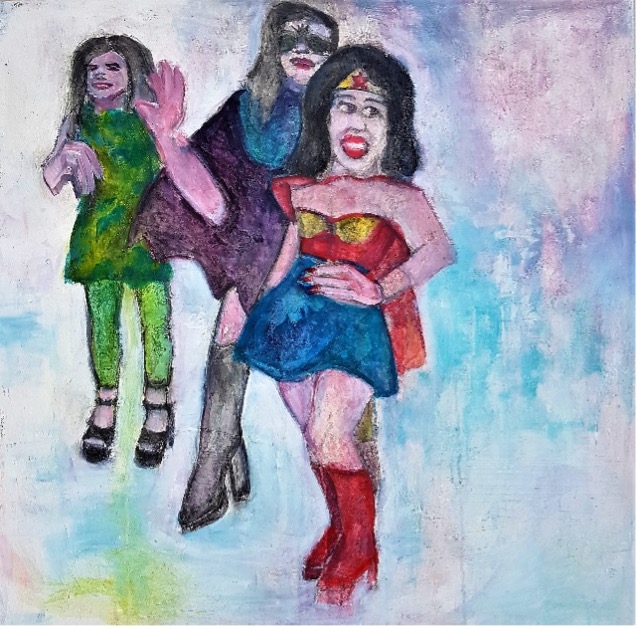
For my Fun Fair series, I searched online for photographs of costume parties, Pride celebrations and superheroes. I became fascinated by the costume-shop categories themselves. The divisions could be strikingly gendered: boys were often offered policemen, soldiers and superheroes, while girls were more often directed towards princesses and fairies. Adult women’s costumes could turn familiar roles into something overtly sexual.
Of course, these divisions are not fixed or universal. They vary across cultures and generations. Girls are also offered superhero costumes, though often with fewer options than boys. What interested me was how something as playful as dressing up could reflect larger ideas about gender and power, and the identities we choose for ourselves or are encouraged to adopt.
It made me wonder how early we learn what is expected of us - and where we draw the line between a costume, a uniform and the clothes we wear every day.
In Heroines, Wonder Woman takes centre stage among a group of figures whose identities are not clear. I don’t know who the people in the photographs are. They could be women, men in drag, or something else entirely. I like not knowing. A wig, make-up, a mask, an outfit or a pose can be enough for us to decide who we think someone is. But changing our appearance can also allow us to step outside those expectations and explore another identity or another version of ourselves.
I first encountered Cindy Sherman’s Untitled Film Stills during my art studies. In this iconic series, Sherman uses wigs, make-up, clothes and settings to transform herself into familiar female types. The images look as if they come from films we know, although the characters and stories are invented. With just a few visual clues, we begin to imagine who these women are.
This is where I see a connection with Heroines. These visual choices can carry ideas about gender, status, sexuality and power, but they can also challenge them. We choose how we present ourselves, yet we do so in a world that has already attached meanings to how we look.
Perhaps that is why I am so drawn to masks and transformation. They can hide who we are, but they can also give us the freedom to become someone else.
Explore Cindy Sherman’s Untitled Film Stills at MoMA →
The studio experience
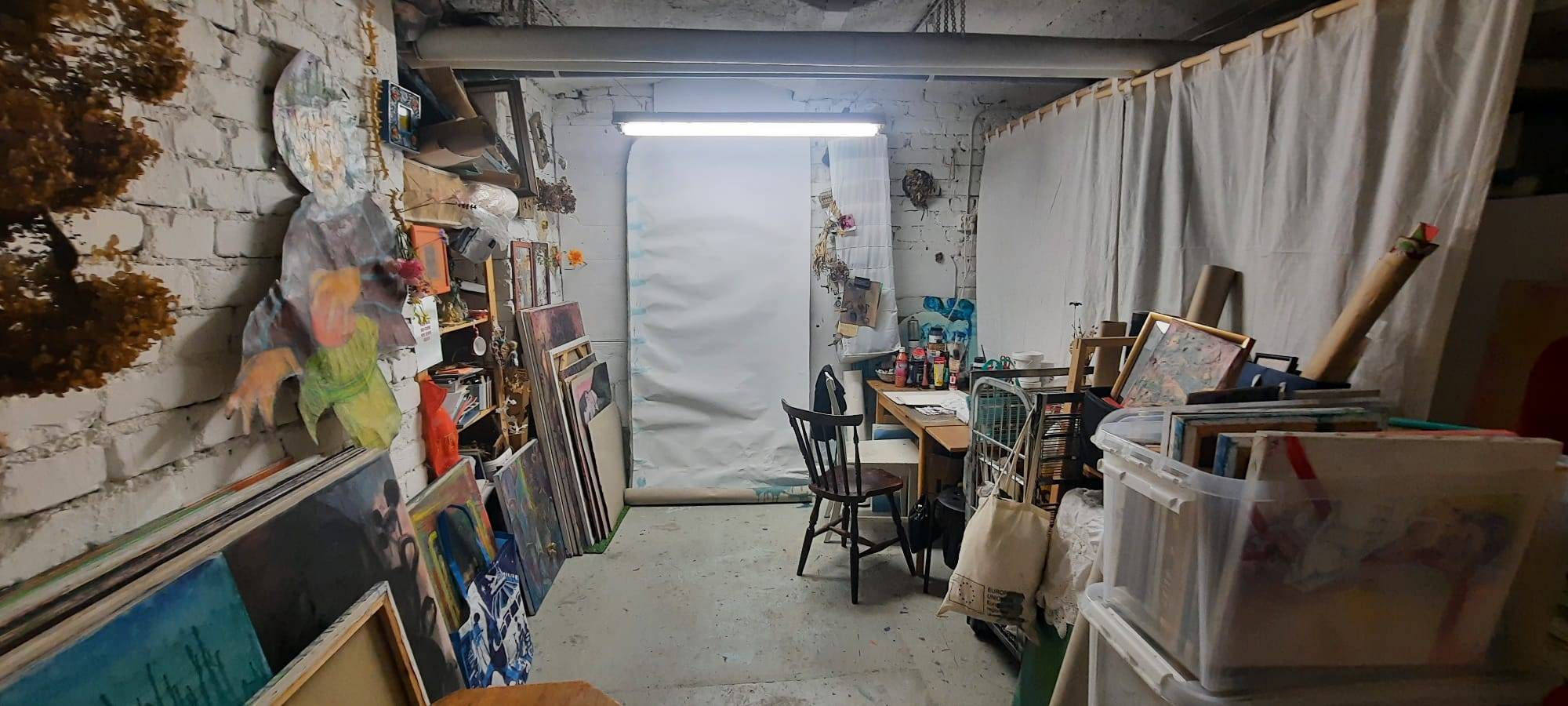
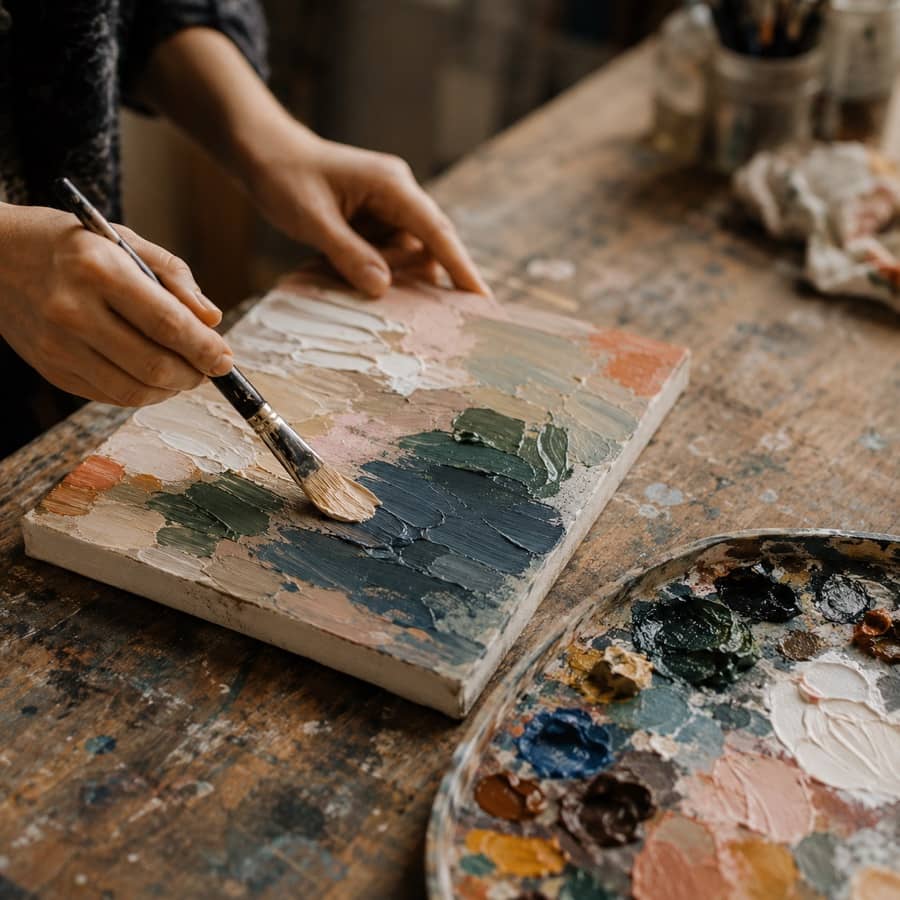
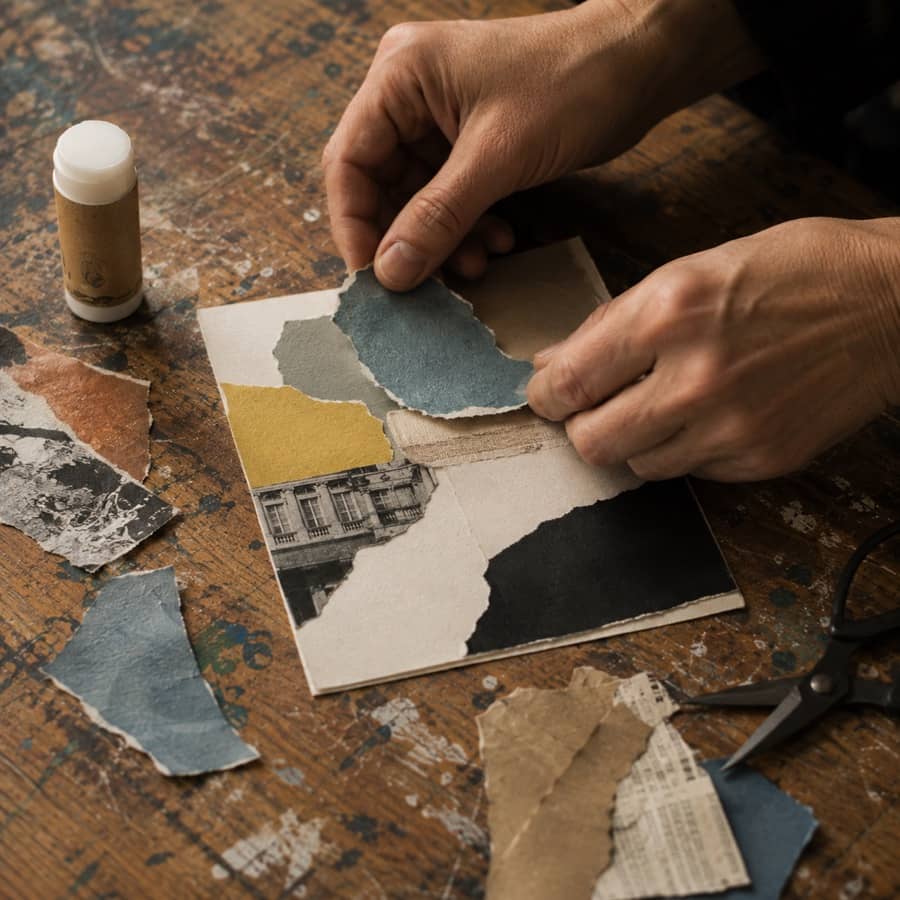
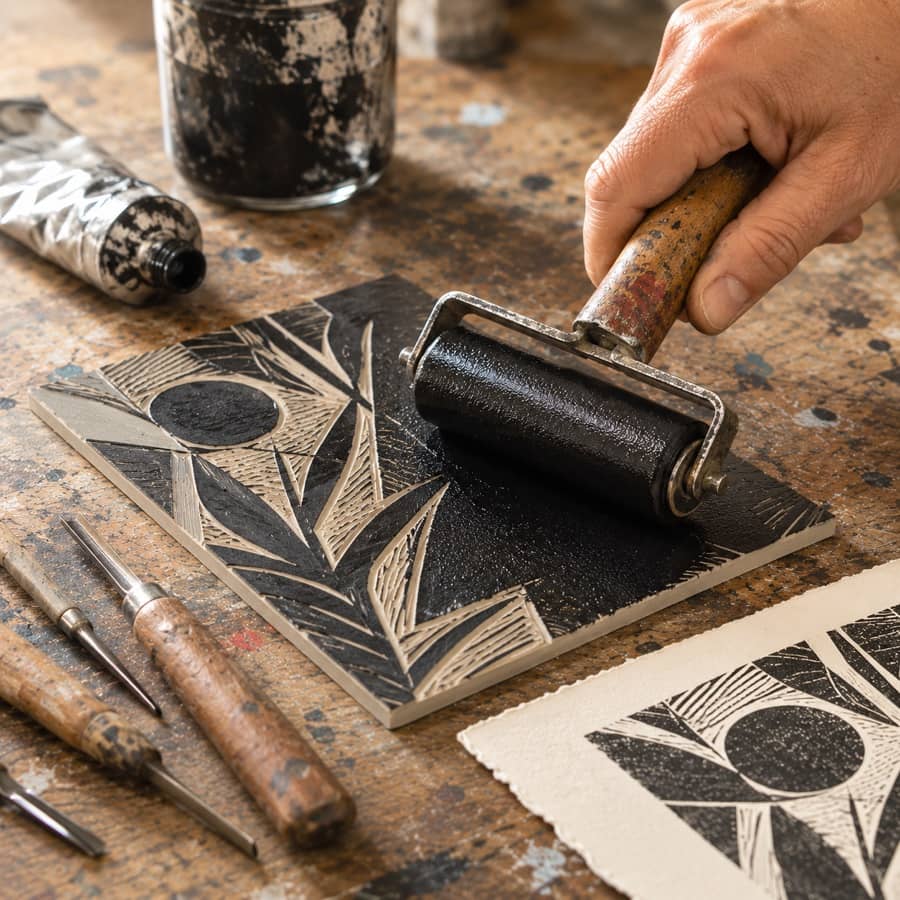
Two hours in the studio, just you or you and one other person. Pick a technique and take home what you make. Materials and fika included.
It works as a birthday or anniversary gift, a creative date instead of a restaurant, an afternoon for two friends, or a parent and child from age ten up. Same price whether you come alone or bring someone. 1 000 kr per session (1 or 2 people) · Roslagsgatan 21, Stockholm
Book a studio experience session →
Studio Note goes out occasionally — new work, the ideas behind it, and the artists who inspire it.
Subscribe to Studio Note